Pre hospital glossary
Pre Hospital Glossary
Hi, my name is Oliver. I am a Pre hospital Emergency Care student. This glossary will help you to understand difficult terms and words that a paramedic uses frequency.
- bradycardic
- noun
- Overview, bradycardia is a slow heart rate. The hearts of adults at rest usually beat between 60 and 100 times a minute. If you have bradycardia, your heart beats fewer than 60 times a minute.
- Example: In the morning had a strip wash during which she went pale and said that she felt weak. then lost consciousness, her carotid pulses were assessed and her HR was found to be bradycardic.
- en: bradycardie

- bradypnea
- noun
- Bradypnea refers to abnormal slow breathing (respiratory) rate. For an adult, the normal breathing rate is typically between 12 and 20 breaths per minute.
- Example: The patient is currently in bradypnea. His rate is between 8 and 10 / minute
- en: bradypnée

- bronchospasm
- noun
- A bronchospasm is a contraction in the airways that can make it hard to catch your breath. Bronchospasm is a tightening of the muscles that line the airways (bronchi) in your lungs.
- Example: I did not normally develop Bronchospasm. The evening before the diagnosis was made I had a double whisky and developed sneezing and rhinitis, but on this occasion I developed severe Bronchospasm within a few minutes
- en: bronchospasme

- cardiopulmonary resuscitation (CPR)
- noun
- The CPR combines rescue breathing (mouth-to-mouth) and chest compressions to temporarily pump enough blood to the brain until specialized treatment is available.
- Example: During CPR, chest compression at a rate of 80 - 100 min with sufficient force to produce 4 - 5 cm of sternal displacement in adults provides a coronary blood flow under 10% of normal.
- en: réanimation

- cervical collar
- noun
- A cervical collar, also known as a neck brace, is a medical device used to support and immobilize a person's neck. It is also applied by emergency personnel to those who have had traumatic head or neck injuries, and can be used to treat chronic medical conditions.
- Example: Her most recent bout involved her c-spine where she described pain, morning stiffness, and fatigue, loss of flexion extension lateral movements and weakness that required a cervical collar for support.
- en: collet cervical

- combitube
- noun
- The Combitube is a blind insertion airway device used in the pre-hospital and emergency setting. It is designed to provide an airway to facilitate the mechanical ventilation of a patient in respiratory distress.
- Example: I will prepare the combitube, so we will be able to protect his airways.
- en: combitube

- cpap
- noun
- CPAP (continuous positive airway pressure) is a machine that uses mild air pressure to keep breathing airways open while you sleep.
- Example: I will take my cpap to send you more oxygen in your body.
- en: valve de boussignac

- cyanosis
- noun
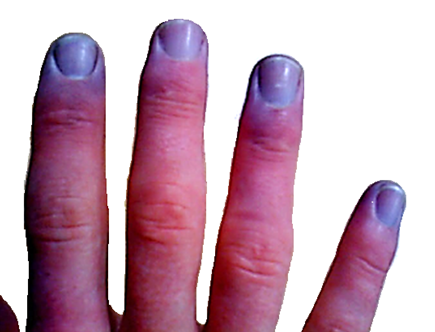
- A bluish discoloration of the skin resulting from poor circulation or inadequate oxygenation of the blood.
- Example: Features of a life-threatening asthma attack are silent chest, cyanosis, exhaustion, confusion or coma, bradycardia or hypotension.
- en: cyanose
- defibrilator
- noun
- Defibrillators are devices that apply an electric charge or current to the heart to restore a normal heartbeat. If the heart rhythm stops due to cardiac arrest, also known as sudden cardiac arrest (SCA), a defibrillator may help it start beating again.
- Example: Sir, my dad got a heart arrest! Please go to take the defibrillator.
- en: moniteur défibrillateur

- diaphoresis
- noun
- Diaphoresis is the medical definition of excessive sweating due to an underlying health condition or a medication.
- Example: The patient is currently in diaphoresis. We need to go to the hospital very quickly.
- en: diaphorèse
- eclampsia
- noun
- Condition in which one or more convulsions occur in a pregnant woman suffering from high blood pressure, often followed by coma and posing a threat to the health of mother and baby.
- Example: More weight gain will increase risk of gestational diabetes, pre-eclampsia, large babies, high blood pressure and long term obesity.
- en: éclampsie
- electrocardiogram (ecg)
- noun
- At every beat, the heart is depolarized to trigger its contraction. This electrical activity is transmitted throughout the body and can be picked up on the skin. This is the principle behind the ECG. An ECG machine records this activity via electrodes on the skin and displays it graphically.
- Example: ECG analysis of the QRS wave has identified that when Q waves are present R-wave regression develops, a measurement of the extent of infarct can be calculated.
- en: électrocardiogramme (ecg)

- etiology
- noun
- the investigation or attribution of the cause or reason for something, often expressed in terms of historical or mythical explanation.
- Example: Psychological and emotional factors are very important in the etiology of this problem.
- en: étiologie
- heart attack
- noun
- A heart attack, also known as a myocardial infarction, happens when the flow of blood that brings oxygen to a part of your heart muscle suddenly becomes blocked. Your heart can't get enough oxygen. If blood flow is not restored quickly, the heart muscle will begin to die.
- Example: He has never had a HEART ATTACK, stroke, diabetes, rheumatic fever or asthma Past medical history.
- en: infarctus

- pulse oximeter
- noun
- Pulse oximeter allows us to know the state of oxygenation of the body, and therefore to assess a patient's respiratory functions. The oxygen levels of normal saturation is between 95% and 100%.
- Example: The arterial oxygen saturation and pulse rate of all patients were monitored by pulse oximetry before and during the procedure.
- en: pince à saturation

- sphygmomanometer
- noun
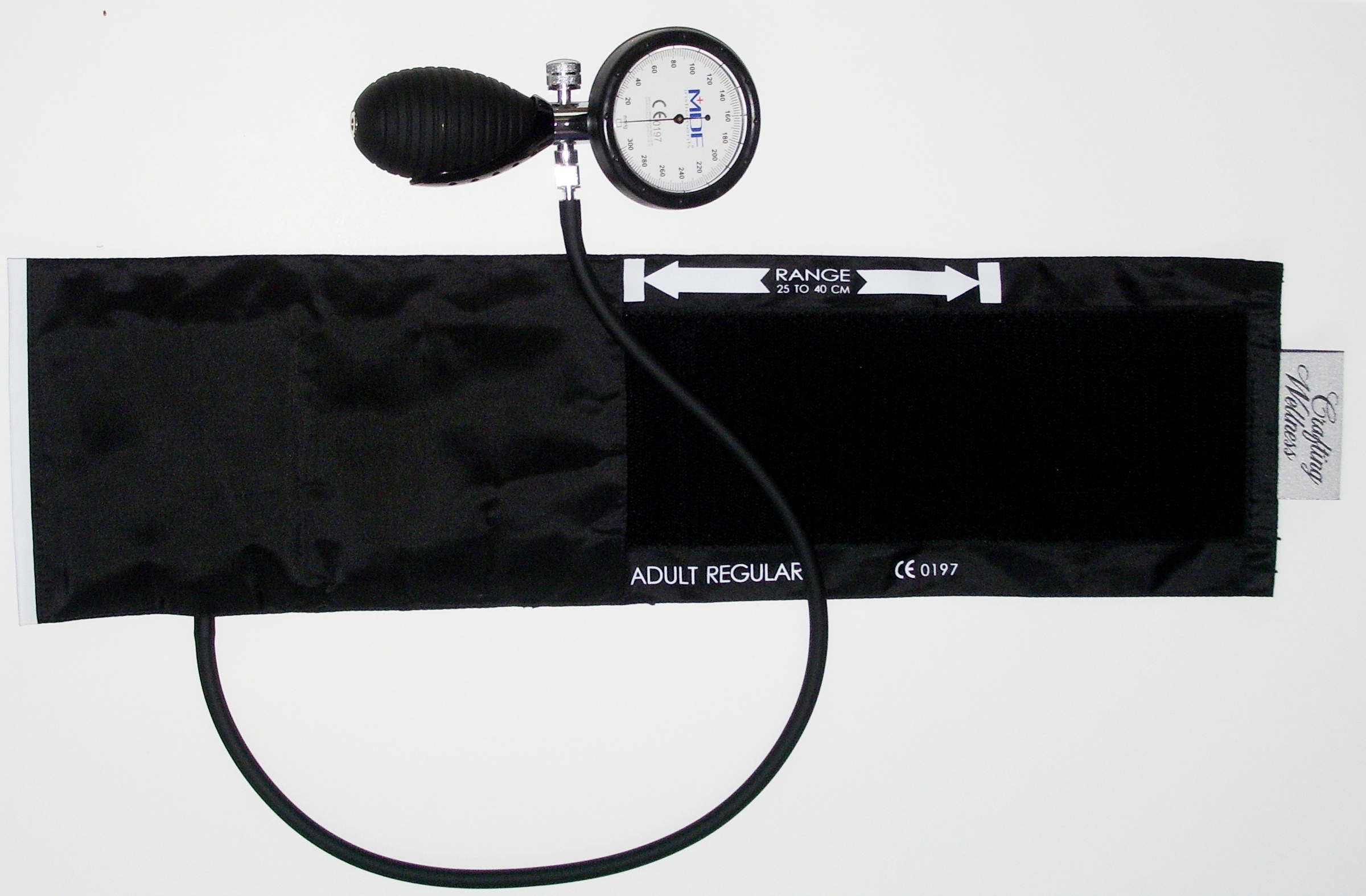
- To measure blood pressure, your doctor uses an instrument call a sphygmomanometer. The cuff is wrapped around your upper arm and inflated to stop the flow of blood in your artery
- Example: Hi sir, I will take my sphygmomanometer to take your blood pressure
- en: sphygmomanomètre
- stethoscope
- noun
- A medical instrument for listening to the action of someone's heart or breathing, typically having a small disk-shaped resonator that is placed against the chest, and two tubes connected to earpieces.
- Example: Please, can you give me my stethoscope, so I can listen to the breathing of the patient.
- en: stéthoscope

- stroke
- noun
- A stroke, sometimes called a brain attack, occurs when something blocks blood supply to part of the brain or when a blood vessel in the brain bursts.
- Example: Low-dose aspirin should be given to reduce the risk of myocardial infarction and STROKE.
- en: accident vasculaire cérébral

- vacuum immobilizer mattress
- noun
- The Vacuum Immobilisation Mattress is a medical device used to immobilise patients. Especially useful for cases where operators suspect vertebra, pelvis or limb trauma.
- Example: I suspect a vertebra trauma. We need to take the vacuum immobilisation mattress.
- en: matelas immobilisateur

- wheeled stretcher
- noun
- A stretcher, gurney, litter, or pram is an apparatus used for moving patients who require medical care. A wheeled stretcher is often equipped with variable height frames, wheels, tracks, or skids.
- Example: Justin, can you take the stretcher, so we can move the patient and bring it to hospital?
- en: civière


Commentaires
Publier un commentaire